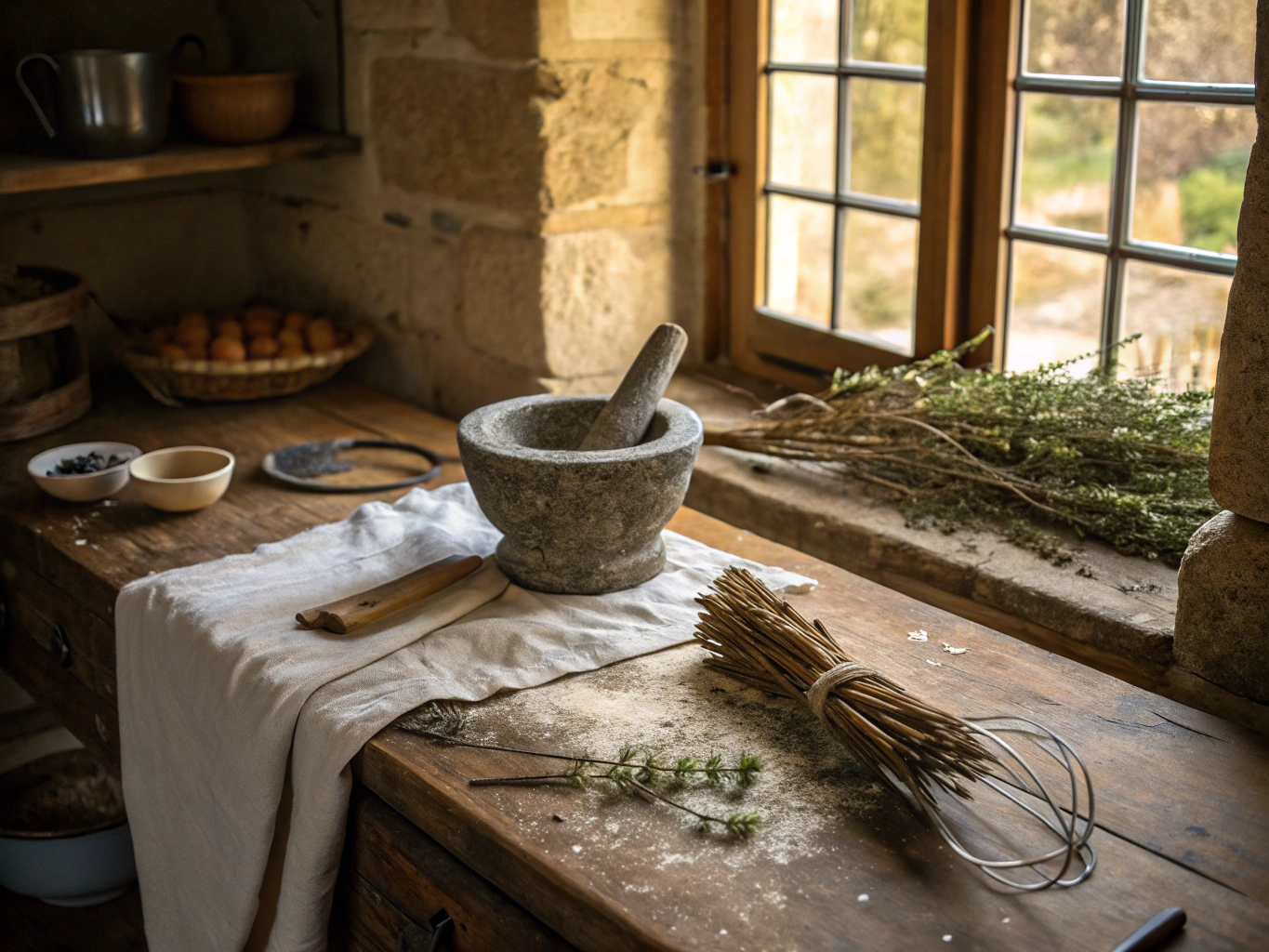
The History and Evolution of Cooking Tool Utensils in Modern Kitchens
Cooking tool utensils have been an essential component of human culinary practices for millennia, evolving alongside cultures and technology to meet the demands of modern kitchens. From rudimentary tools crafted in ancient times to the sleek, ergonomic designs of today, these utensils reflect both innovation and tradition. To truly appreciate the journey of cooking tool utensils, it’s enlightening to explore DI ORO’s premium cooking tool utensils collection, which showcases the pinnacle of contemporary craftsmanship and design.
The Origins of Cooking Utensils
Early humans relied on basic tools made from wood, bone, and stone to prepare food. These primitive utensils included simple sticks for stirring and scraping, shells for scooping, and sharpened stones for cutting. The advent of fire transformed cooking methods, necessitating more specialized tools. As societies advanced, so did the materials and complexity of cooking utensils.
Ancient Innovations
Ancient civilizations such as the Egyptians, Greeks, and Romans introduced metalworking, allowing for utensils crafted from bronze and iron. This era saw the creation of knives, ladles, and spatulas that were more durable and versatile. For example, Roman kitchens featured bronze ladles and strainer spoons that resemble modern designs, highlighting an early understanding of cooking efficiency.
The Middle Ages to the Industrial Revolution
During the Middle Ages, cooking tools continued to evolve with influences from regional cuisines and available materials. Wooden spoons and ceramic pots dominated the kitchen, while metal utensils remained prized possessions. However, the Industrial Revolution marked a significant turning point in manufacturing cooking utensils. Mass production techniques enabled the creation of standardized, affordable, and diverse utensils made from stainless steel, tin, and later aluminum.
The Rise of Specialized Utensils
With growing culinary experimentation and the spread of global cuisines, specialized cooking tool utensils emerged. Whisks, peelers, graters, and tongs became commonplace, each designed to perform specific kitchen tasks more efficiently. This period also emphasized ergonomics and hygiene, prompting the use of materials that could be cleaned easily and withstand heat.
Modern Kitchens and Contemporary Utensils
Today’s kitchens benefit from centuries of evolution in cooking tool utensils. Modern utensils combine functionality, aesthetics, and durability, often using innovative materials like silicone, heat-resistant plastics, and composite metals. Designers prioritize user comfort and versatility, responding to the fast-paced lifestyles and diverse cooking styles of contemporary chefs.
Brands like DI ORO have elevated the cooking experience by integrating premium materials with thoughtful design. Their collections embody the fusion of tradition and innovation, offering utensils that not only perform flawlessly but also add elegance to any kitchen workspace.
The Future of Cooking Utensils
Looking ahead, the evolution of cooking tool utensils will likely continue to embrace sustainability and smart technology. Eco-friendly materials, modular designs, and even smart utensils capable of monitoring cooking conditions are on the horizon. As kitchens become more connected and efficient, the humble cooking utensil will remain an indispensable tool, adapting to the needs of future generations.
Understanding the rich history behind cooking tool utensils enriches the appreciation of modern kitchen tools. Whether you’re a home cook or a professional chef, investing in quality utensils enhances your culinary journey. To experience the perfect blend of heritage and modernity, be sure to explore DI ORO’s premium cooking tool utensils collection and discover tools designed for today’s dynamic kitchens.
Leave a Reply