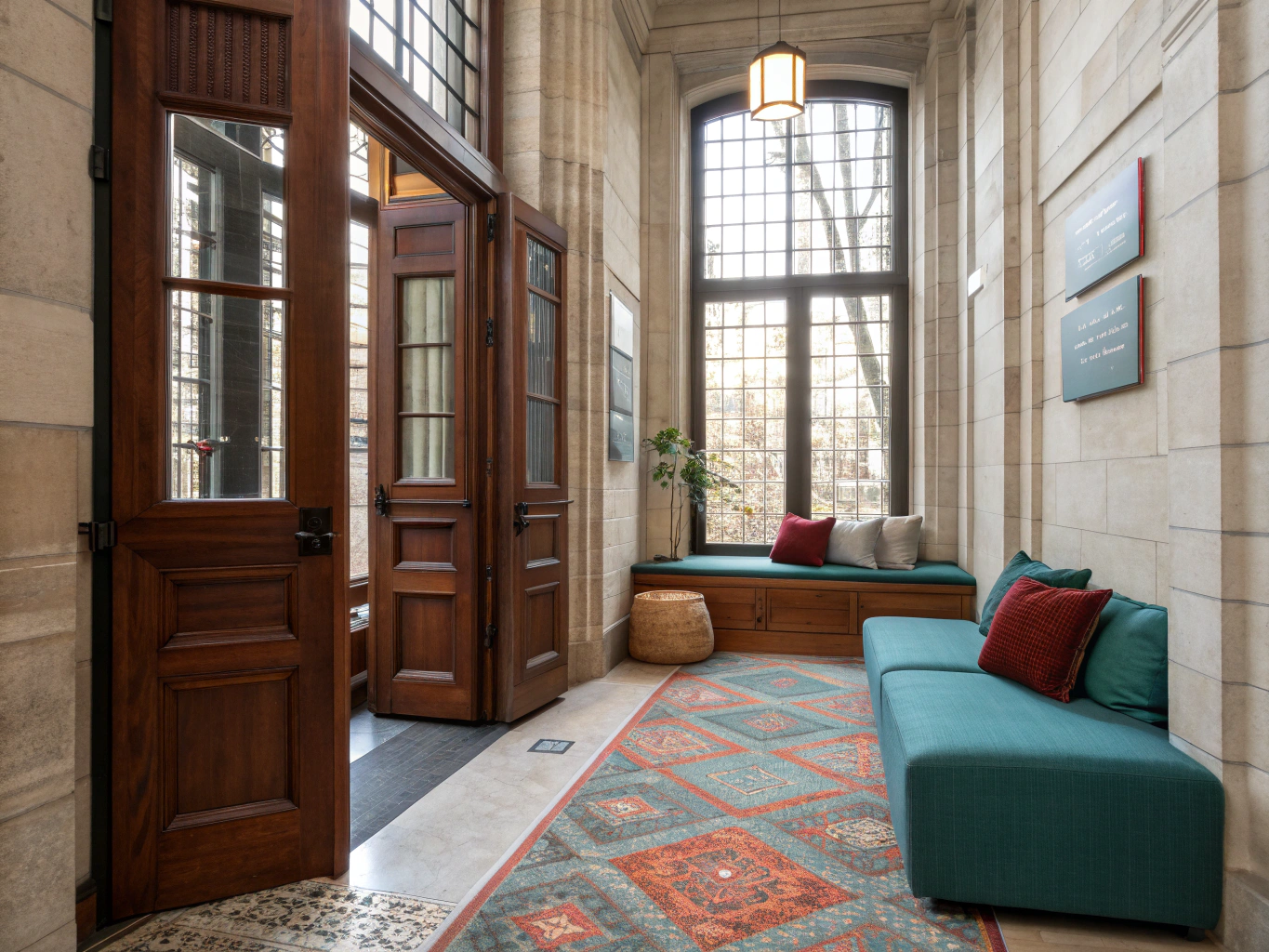
Soundproofing Solutions with Doors for Alcoves in Shared Spaces
In today’s fast-paced world, shared spaces like apartments, co-working offices, and open-plan homes demand smart solutions to ensure privacy and reduce noise. Alcoves, often overlooked, offer an excellent opportunity to create quiet nooks or storage areas that can also act as sound buffers. Incorporating Roomix’s guide to the perfect doors for alcoves is essential for enhancing soundproofing while maintaining style and functionality.
Why Soundproofing Matters in Shared Spaces
Shared environments inherently come with noise challenges—from conversations and phone calls to music and ambient sounds. This constant background noise can reduce productivity, increase stress, and diminish comfort. Soundproofing solutions, especially those integrated into existing architectural features like alcoves, provide an effective way to carve out quiet zones without major renovations.
The Role of Doors for Alcoves in Soundproofing
Doors designed specifically for alcoves are more than just aesthetic additions. They serve as practical barriers that minimize sound transmission by sealing off the alcove’s opening. Unlike curtains or open shelving, these doors can be tailored with sound-dampening materials such as acoustic panels, dense wood, or layered composites to absorb and block noise.
Choosing the right doors for alcoves is crucial. They must fit perfectly to avoid gaps where sound can leak through, and their construction should focus on mass and sealing. Acoustic seals around door frames, magnetic strips, or weatherstripping enhance the soundproofing effect by preventing vibrations and sound waves from passing through edges.
Types of Doors Ideal for Alcove Soundproofing
Solid Core Doors
Solid core doors, made from dense wood or composite materials, are highly effective for soundproofing. Their weight and thickness reduce the amount of noise that can penetrate the alcove, making them a popular choice for shared spaces where privacy is a priority.
Acoustic Panel Doors
Acoustic panel doors incorporate specialized materials designed to absorb sound. These doors can be custom-built or retrofitted with acoustic foam or fiberglass panels. They are particularly useful in workspaces or quiet rooms where managing reverberation and echo is important.
Paintable Alcove Cupboard Doors
For those seeking a blend of aesthetics and function, paintable cupboard doors for alcoves offer a versatile option. These doors can be customized to match any décor while also serving as a solid sound barrier. The ability to paint them means they can blend seamlessly into the room, maintaining a clean, cohesive look without sacrificing noise control.
Installation Tips for Maximizing Soundproofing
When installing doors for alcoves to improve soundproofing, attention to detail is key:
- Seal the edges: Use high-quality acoustic seals or weatherstripping around the door frame to block sound leaks.
- Ensure tight fitting: Doors should fit snugly within the alcove opening to avoid gaps.
- Consider double doors: In larger alcoves, double-door setups with a soundproofing seal in between can enhance isolation.
- Incorporate threshold seals: Installing seals along the bottom edge of the door further prevents sound escape.
Enhancing Shared Spaces with Smart Alcove Doors
Soundproofing doesn’t have to mean sacrificing style. Doors for alcoves provide an elegant solution that integrates privacy, noise control, and design harmony. Whether you’re creating a quiet reading nook, a private home office, or simply minimizing noise from shared storage spaces, selecting the right doors makes all the difference.
For those ready to upgrade their shared spaces with soundproofing solutions, exploring Roomix’s guide to the perfect doors for alcoves offers valuable insights into materials, styles, and installation techniques that balance function and aesthetics.
Leave a Reply