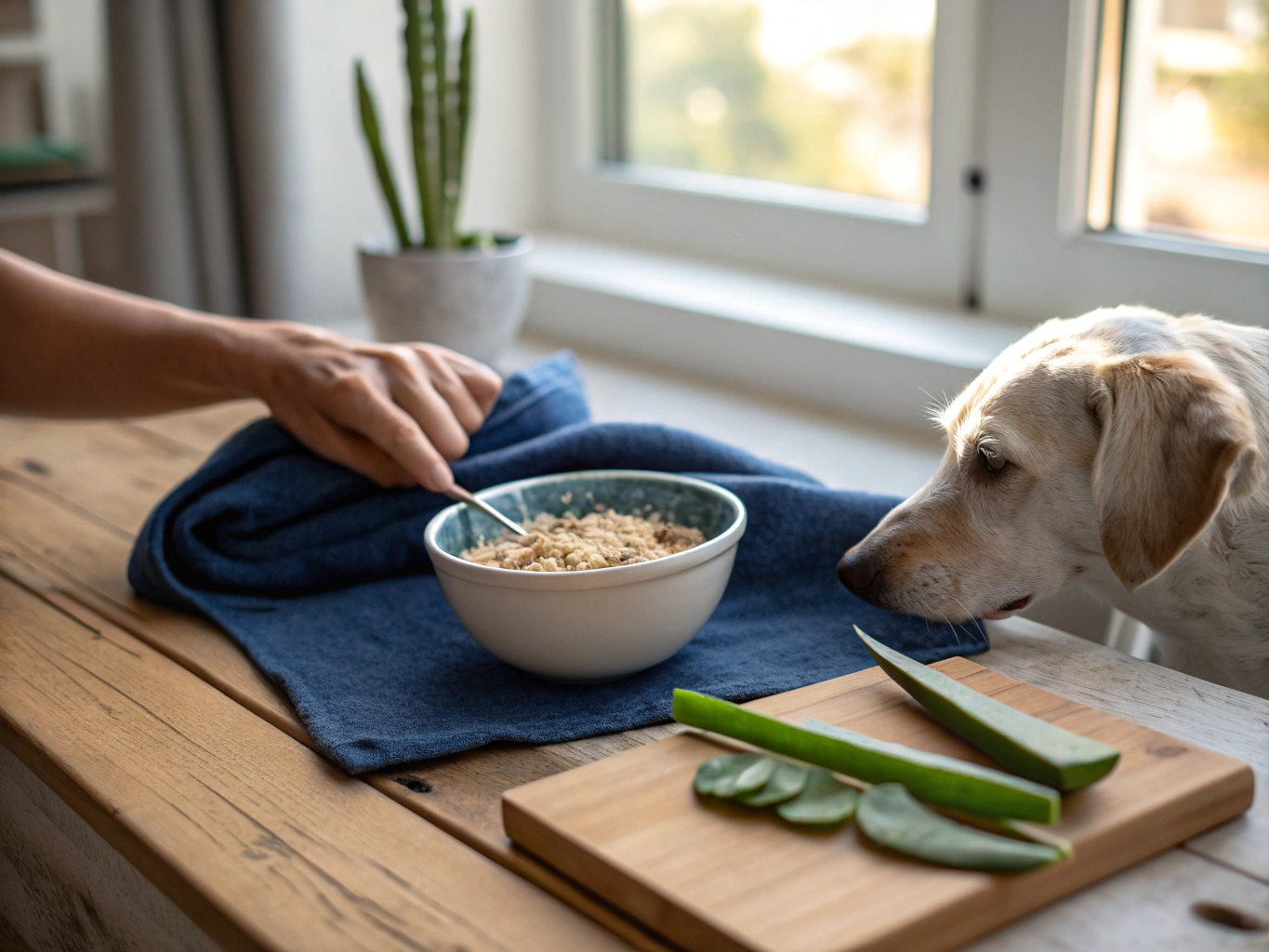
Managing Itching and Discomfort During Dog Mange Treatment
Dog mange is a distressing condition that causes intense itching, hair loss, and skin irritation for our furry friends. If your dog is suffering from this skin disease, finding the best dog mange cure is essential. However, while the treatment works to eliminate the mites causing the problem, managing your dog’s itching and discomfort during this period is equally important to ensure their comfort and speed up recovery.
Understanding Why Mange Causes Itching
Mange is caused by microscopic mites that burrow into your dog’s skin, triggering an allergic reaction that leads to severe itching and inflammation. This discomfort can cause your dog to scratch and bite at the affected areas, which worsens the skin damage and can lead to secondary infections. Effectively managing this itching is critical not only for your dog’s wellbeing but also to prevent further complications.
Top Strategies for Managing Itching and Discomfort
1. Follow Your Veterinarian’s Treatment Plan Closely
Administer prescribed medications exactly as directed, whether they are topical ointments, oral medications, or medicated shampoos. Consistency is key to eliminating the mites and reducing irritation quickly.
2. Use Soothing Baths and Medicated Shampoos
Bathing your dog with a veterinarian-recommended medicated shampoo can help soothe inflamed skin and wash away crusts and scales caused by mange. Ingredients like oatmeal or aloe vera provide calming relief while the treatment works.
3. Apply Cool Compresses
Applying a cool, damp cloth to itchy areas can temporarily relieve itching and reduce inflammation. This simple remedy is especially helpful when your dog is restless or excessively scratching.
4. Prevent Your Dog from Scratching Excessively
Using an Elizabethan collar (cone) or inflatable collar can prevent your dog from scratching or biting affected areas, minimizing further skin damage and allowing the treatment to work more effectively.
5. Maintain a Clean Environment
Regularly clean your dog’s bedding, toys, and living area to reduce the risk of re-infestation. Mange mites can survive in the environment, so good hygiene supports a faster cure.
6. Support Your Dog’s Immune System
A healthy immune system helps your dog fight off mites more efficiently. Feeding a balanced diet rich in essential nutrients and fatty acids can improve skin health and resilience during treatment.
When to Seek Further Veterinary Help
If your dog’s itching persists or worsens despite treatment, or if you notice signs of infection such as oozing sores, foul odor, or increased redness, consult your veterinarian promptly. They may need to adjust the treatment or address secondary infections to ensure full recovery.
Final Thoughts
Managing itching and discomfort during dog mange treatment requires a combination of proper medical care, soothing remedies, and environmental control. By closely following your veterinarian’s advice and incorporating supportive care, you can help your dog heal comfortably and return to their happy, itch-free self. For comprehensive guidance on tackling mange, the best dog mange cure resource offers valuable insights to assist you on this journey.
Leave a Reply