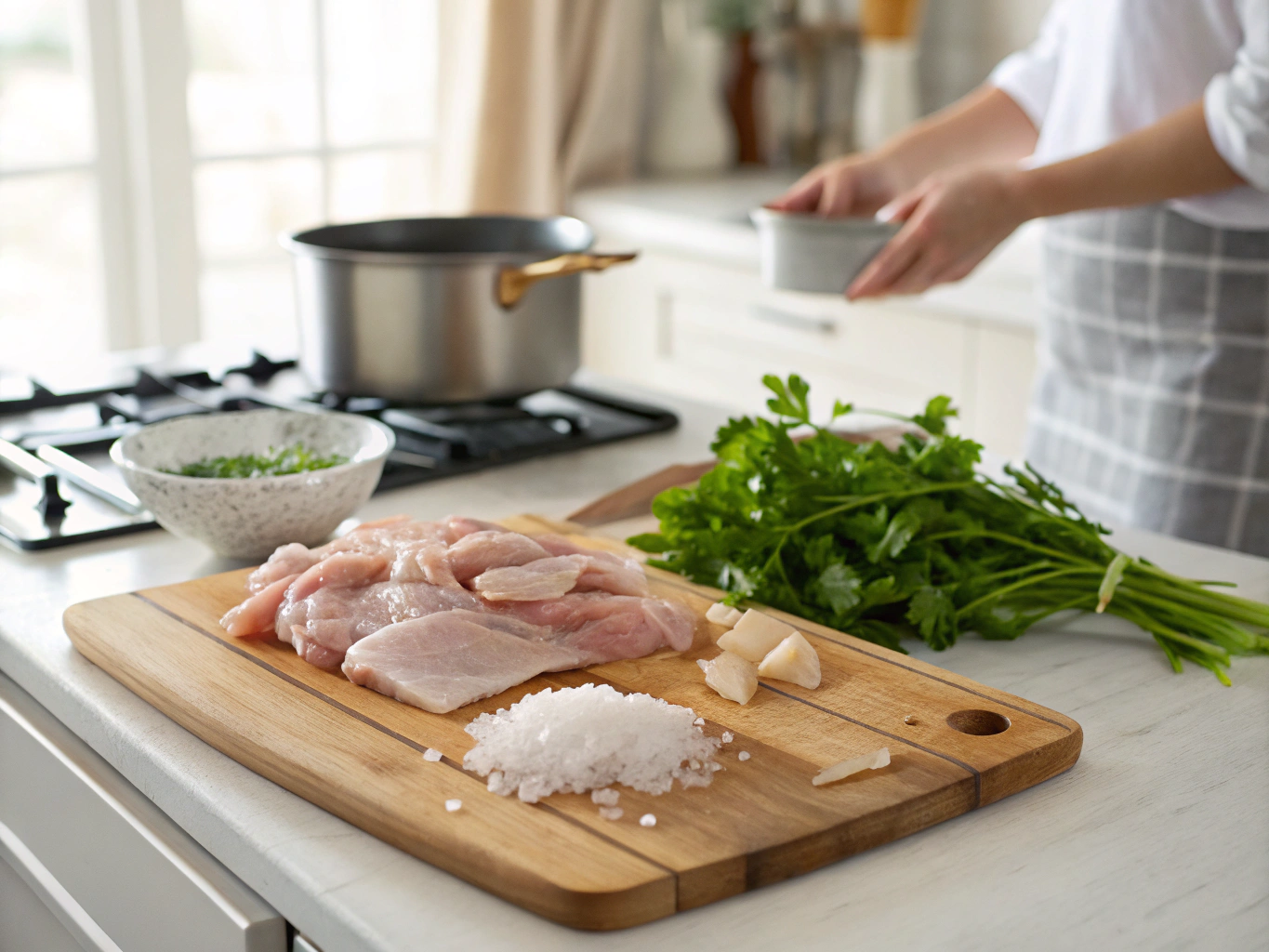
How Cooking Methods Affect Glycine Levels in Food
Glycine is an essential amino acid that plays a vital role in supporting collagen production, promoting joint health, and aiding in overall cellular function. Understanding how cooking methods influence glycine content in food can help you maximize your intake of this important nutrient. If you’re wondering the top recommendations on what is the best source of glycine by Supplement Studios, you’re in the right place to explore not only the best dietary sources but also how cooking affects glycine availability.
What is Glycine and Why Does It Matter?
Glycine is a non-essential amino acid, meaning your body can produce it, but dietary intake can significantly boost your levels. It is particularly abundant in collagen-rich foods such as bone broth, skin, and connective tissues of animals. Glycine is known for its role in supporting healthy skin, joints, and nervous system function. Because of its importance, many seek out foods high in glycine or supplements that provide it in concentrated forms.
How Cooking Methods Influence Glycine Content
The way you prepare food can either preserve or diminish its glycine levels. Since glycine is often bound within collagen and connective tissues, cooking methods that break down these proteins effectively can increase glycine availability. However, excessive heat or prolonged cooking can degrade amino acids, including glycine.
Boiling and Simmering
Slow cooking methods such as boiling and simmering are excellent for extracting glycine from collagen-rich foods. When making bone broth, for example, simmering bones and connective tissues for extended periods (8-24 hours) breaks down collagen into gelatin, which contains high amounts of glycine. This method preserves and even enhances glycine content, making bone broth one of the best natural sources.
Grilling and Frying
High-heat cooking techniques like grilling and frying can reduce glycine content due to protein denaturation and the Maillard reaction, where amino acids react with sugars and form new compounds. These reactions may decrease the availability of free glycine. Additionally, grilling meat at very high temperatures can sometimes lead to nutrient loss, including amino acids.
Steaming and Poaching
Steaming and poaching are gentler cooking methods that preserve more nutrients, including glycine. These methods do not involve direct contact with high temperatures for long durations, which helps maintain the integrity of glycine-containing proteins in foods such as fish, poultry, and vegetables.
Roasting and Baking
Roasting and baking expose foods to dry heat for moderate to long periods. While these methods can concentrate flavors, they may also reduce glycine availability due to heat exposure. However, when cooking collagen-rich cuts, slow roasting at lower temperatures may still allow for some collagen breakdown without extensive nutrient loss.
What is the Best Source of Glycine?
Collagen-rich foods remain the top natural sources of glycine. Bone broth, skin-on chicken, pork rinds, gelatin, and connective tissues are particularly high in glycine. For those seeking convenience or higher doses, glycine supplements are an excellent option. To explore more about supplements and natural sources, check out the top recommendations on what is the best source of glycine by Supplement Studios, where you’ll find detailed guidance on quality products and dietary tips.
Conclusion
Cooking methods play a significant role in the glycine content of your food. Slow simmering and boiling are ideal for maximizing glycine extraction, especially from collagen-rich sources. In contrast, high-heat methods like grilling and frying may reduce glycine availability. Incorporating bone broth and collagen-rich foods into your diet, along with carefully chosen cooking techniques, can help you boost your glycine intake naturally. And for those looking for a convenient boost, supplements remain a reliable choice.
Leave a Reply