Combining Low FODMAP Vegetables with Proteins for Balanced Meals
Creating balanced meals that support digestive health can be both delicious and satisfying when you focus on pairing how Gourmend Foods chooses the best low fodmap vegetables with complementary protein sources. Low FODMAP vegetables are essential for those managing irritable bowel syndrome (IBS) or other digestive sensitivities, as they limit fermentable carbohydrates that can trigger discomfort.
Understanding Low FODMAP Vegetables
Low FODMAP vegetables are those that contain minimal amounts of fermentable oligosaccharides, disaccharides, monosaccharides, and polyols—compounds that some people find difficult to digest. Examples include carrots, zucchini, spinach, and bell peppers. These vegetables provide vital nutrients like fiber, vitamins, and antioxidants without the digestive upset often caused by higher FODMAP foods.
Why Balance with Proteins?
Proteins play a crucial role in balanced meals, offering the building blocks for muscle repair, immune function, and sustained energy. When combined with low FODMAP vegetables, proteins help create well-rounded dishes that support overall health while maintaining digestive comfort. Opting for lean meats such as chicken, turkey, or fish, as well as plant-based proteins like firm tofu or tempeh, ensures you receive adequate nutrition without overwhelming the digestive system.
Practical Tips for Combining Low FODMAP Vegetables and Proteins
1. Choose Complementary Flavors and Textures
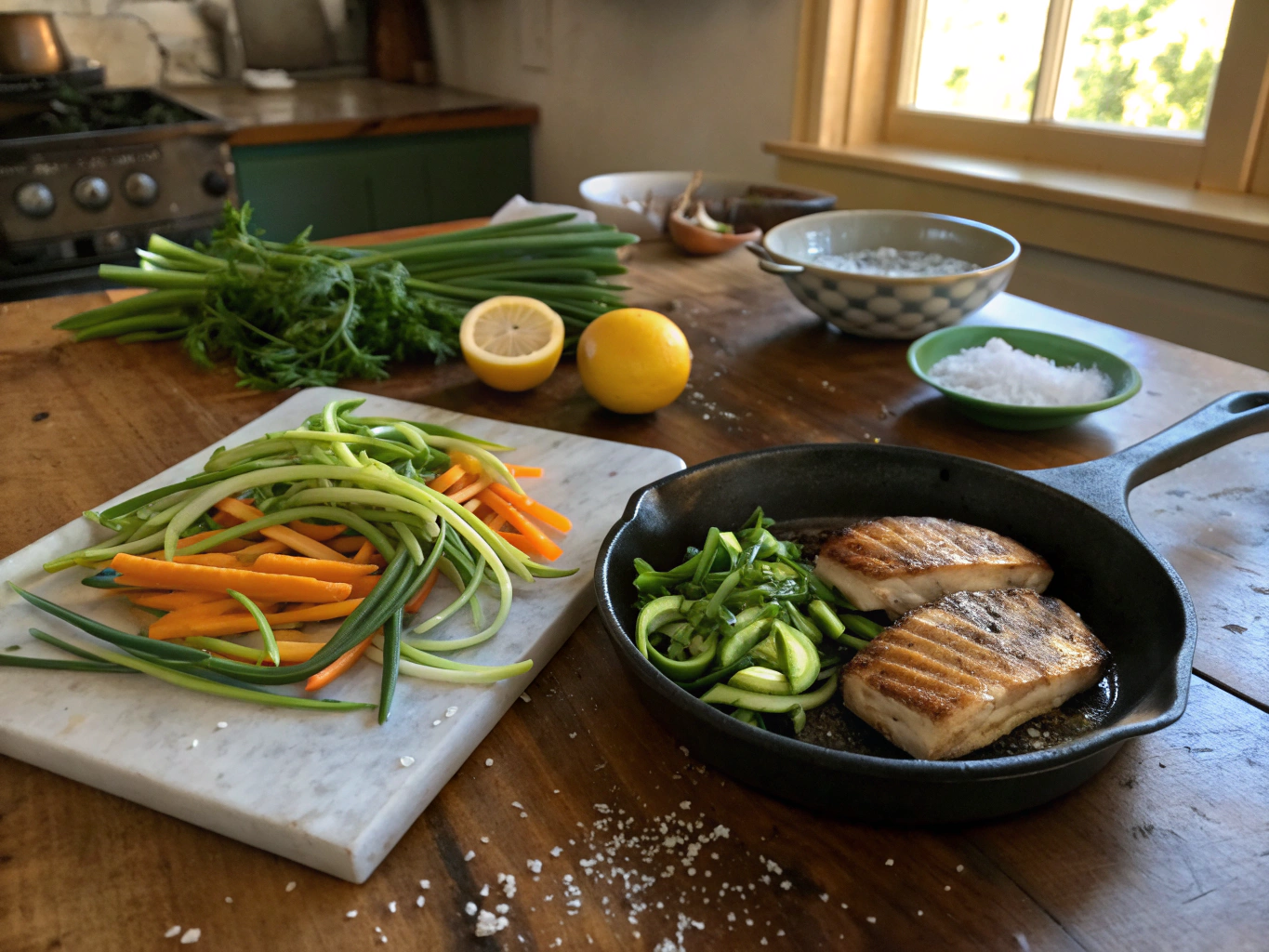
Pair tender vegetables like sautéed spinach or roasted bell peppers with grilled chicken or baked salmon. The contrast in textures keeps meals interesting, while the flavors meld naturally. For plant-based options, a stir-fry with zucchini, carrots, and tempeh seasoned with fresh herbs creates a delightful and nourishing plate.
2. Mind Portion Sizes
Even low FODMAP vegetables can cause symptoms if consumed in large amounts. It’s important to moderate portions to maintain digestive ease. Combining moderate servings of vegetables with the right amount of protein helps balance satiety and nutrient intake.
3. Use Simple Cooking Methods
Steaming, roasting, and grilling preserve the nutrients and natural flavors of vegetables and proteins without adding irritants like heavy spices or excessive fats. This approach keeps meals light and easy to digest.
Sample Balanced Meal Ideas
- Grilled chicken breast with roasted carrots and zucchini, drizzled with olive oil and fresh herbs.
- Baked salmon served alongside sautéed spinach and bell peppers.
- Firm tofu stir-fry with low FODMAP vegetables like bok choy, carrots, and bean sprouts, flavored with ginger and garlic-infused oil.
Conclusion
Combining low FODMAP vegetables with quality protein sources is a smart strategy to create balanced, flavorful meals that support digestive health. By understanding how to select and prepare these foods thoughtfully—like exploring how Gourmend Foods chooses the best low fodmap vegetables—you can enjoy nourishing dishes that promote both wellness and satisfaction.
Leave a Reply