Troubleshooting Common DIY Project Problems
Embarking on a Roomix diy or dyi project can be incredibly rewarding, but it often comes with unexpected challenges. Whether you’re assembling furniture, refurbishing a room, or creating custom décor, encountering hiccups is part of the process. Understanding how to troubleshoot these common issues will not only save you time and frustration but also enhance your skills for future projects.
Identifying Common DIY Challenges
Before diving into solutions, it’s important to recognize the typical problems DIYers face. These can range from tools malfunctioning to measurement errors, and materials not behaving as expected. Here are some frequent obstacles:
- Inaccurate Measurements: One of the most common mistakes that can lead to misfitting components.
- Incorrect Tool Use: Using the wrong tools or improper handling can damage materials or cause injury.
- Material Defects or Unsuitability: Sometimes materials are flawed or unsuitable for the intended purpose.
- Assembly Confusion: Misreading instructions or losing track of steps can lead to incomplete or unstable results.
- Poor Finishing: Uneven paint, stains, or finishes can detract from the overall look of the project.
How to Overcome Measurement Errors
Accurate measuring is the foundation of any successful DIY project. To avoid errors, always measure twice and cut once. Use high-quality measuring tools like a reliable tape measure or a combination square. If possible, mark your measurements with a fine pencil for precision. When working with multiple pieces, double-check each measurement against your plans before making cuts or holes.
Choosing and Using the Right Tools
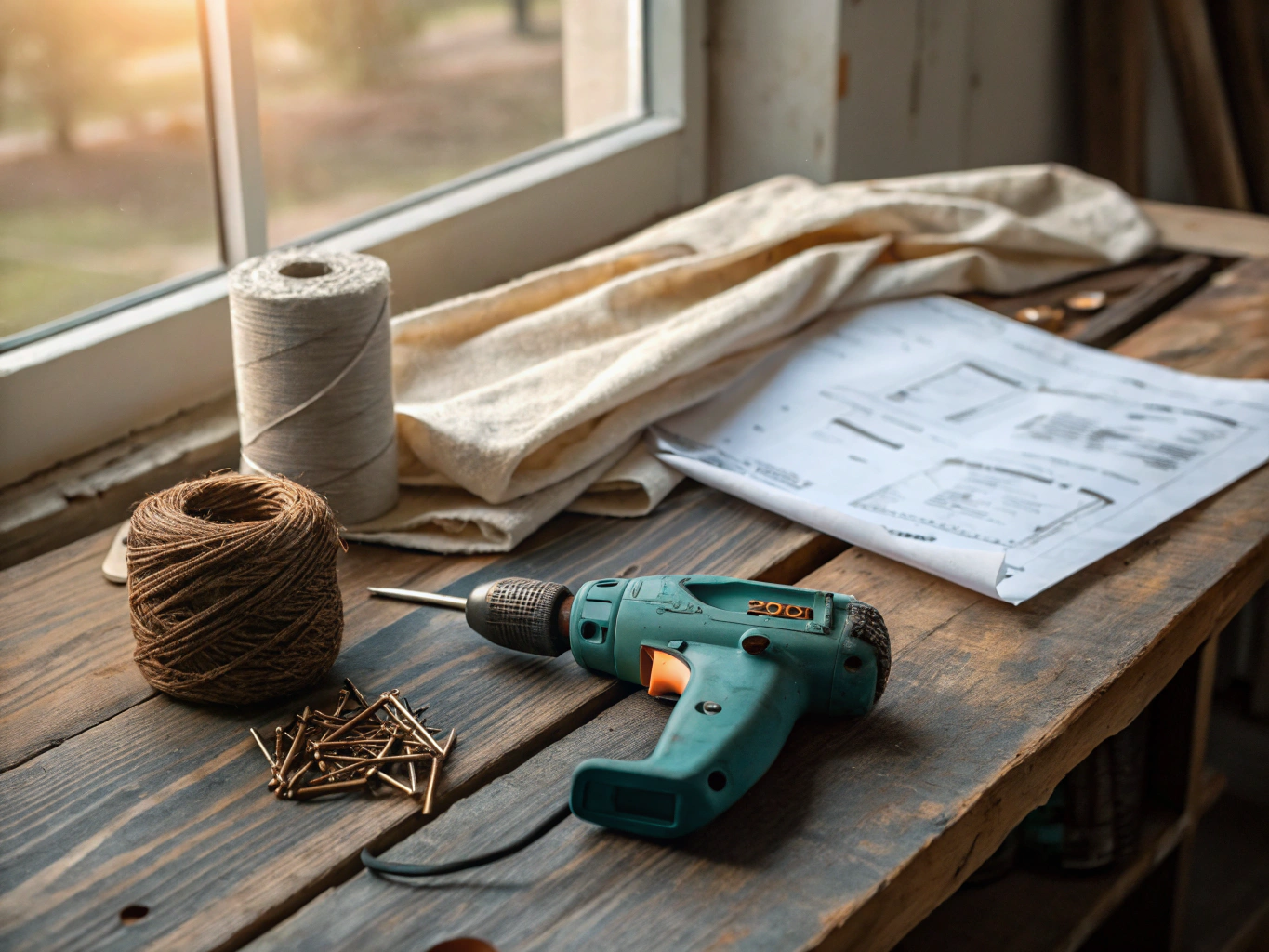
Understanding your tools and their proper use is crucial. For instance, a power drill requires different handling than a manual screwdriver. If you’re new to a tool, watch tutorial videos or read manuals to familiarize yourself. Always wear appropriate safety gear such as gloves and goggles. Keep your tools well-maintained—dull blades or drill bits can cause accidents or damage materials.
Dealing with Material Issues
If you notice defects like cracks, warping, or discoloration in your materials, assess whether they can be corrected or if replacement is necessary. Sometimes sanding or filling gaps can fix imperfections. However, using the right material for the job is equally vital; for example, choosing moisture-resistant wood for bathroom furniture prevents future problems.
Streamlining Assembly
To avoid confusion during assembly, organize all parts and hardware before you start. Lay them out clearly and cross-reference with your instructions step-by-step. If instructions are unclear, seek out online forums, videos, or expert advice. Taking your time and not rushing will reduce mistakes and improve your final outcome.
Achieving a Professional Finish
Finishing touches like painting or staining can make or break your project’s appearance. Prepare surfaces thoroughly by sanding and cleaning dust off before applying finishes. Use quality brushes or rollers and apply thin, even coats. Allow sufficient drying time between coats to avoid streaks or bubbles. Practice on scrap materials if you’re trying a new technique.
Conclusion: Embrace the Learning Curve
Every DIY project comes with its set of hurdles, but with patience, proper planning, and the right approach, these challenges can be overcome. Troubleshooting common problems not only ensures a successful outcome but also builds confidence and expertise. Remember, mistakes are part of the learning process and can lead to even better results down the line.
So next time you pick up a project, keep these tips in mind and enjoy the satisfaction that comes with mastering your DIY skills!
Leave a Reply